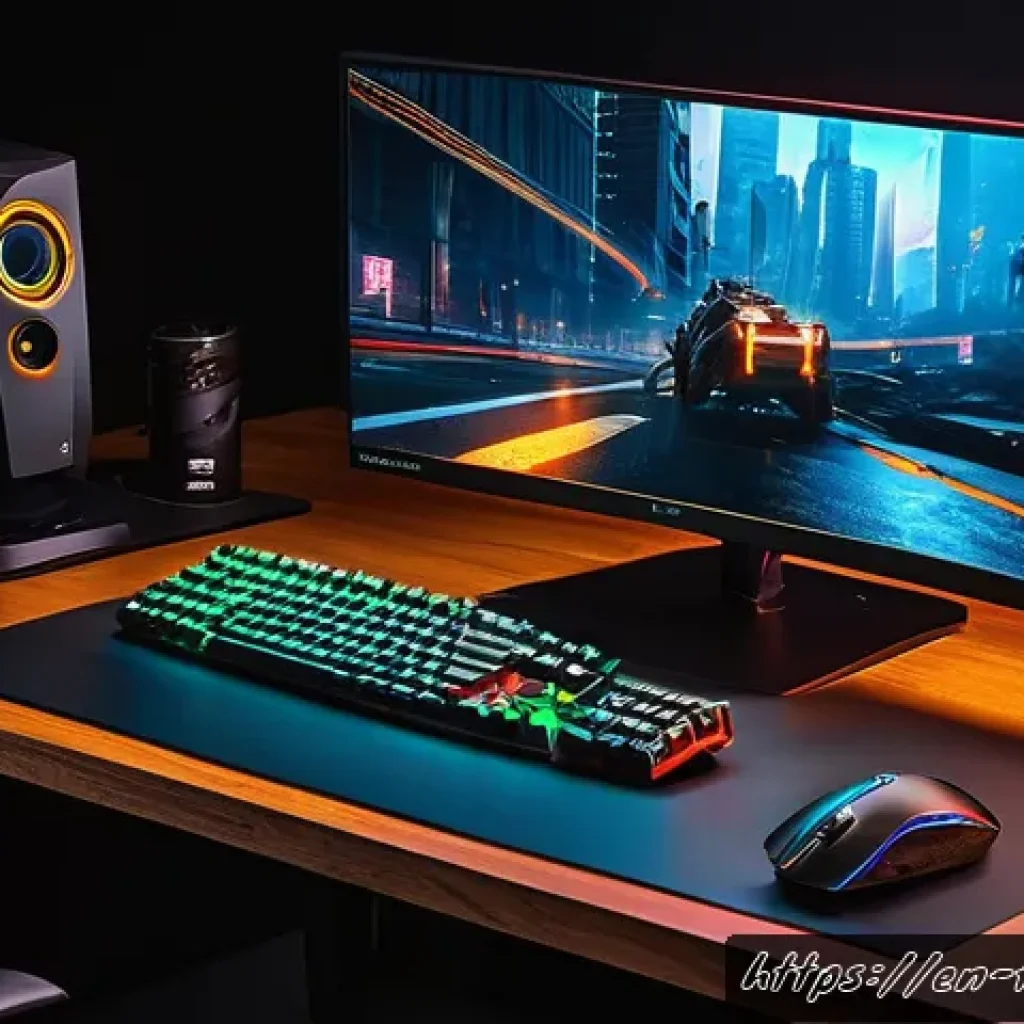
With the surge in competitive FPS gaming and the release of cutting-edge hardware this year, gearing up with the right setup has never been more crucial.
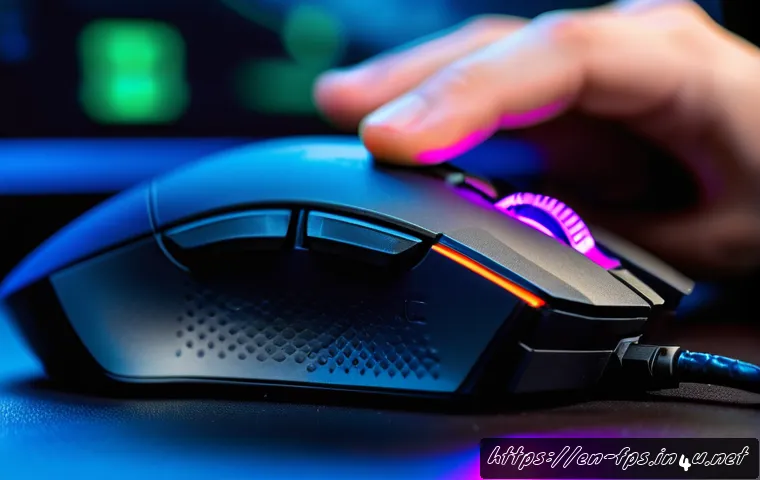
Whether you’re chasing faster reaction times or pinpoint accuracy, the perfect combination of monitor, mouse, and keyboard can truly transform your gameplay.
In this post, I’ll walk you through some of the top-rated peripherals that I’ve personally tested, helping you gain that competitive edge. If you’ve been struggling with lag or missed shots, stick around—these picks might just be the game-changer you need.
Let’s dive into the gear that will elevate your FPS matches to the next level.
Choosing the Display That Puts You Ahead
Why Refresh Rate Really Matters
When you’re in the thick of a fast-paced FPS match, every millisecond counts. That’s where a high refresh rate monitor comes into play. I noticed a massive difference switching from a 60Hz panel to a 240Hz display—everything felt smoother and more responsive.
The crispness of movement lets you track enemies with ease, reducing motion blur that could otherwise cost you a kill. If you’re still gaming on anything below 144Hz, you’re probably leaving performance on the table.
It’s not just hype; the jump in refresh rate genuinely translates to faster reaction times and a more fluid experience.
Resolution and Size: Finding the Sweet Spot
While 4K monitors look stunning, they’re not always the best for competitive FPS. Higher resolution demands more from your GPU, potentially lowering frame rates.
I found that a 24-27 inch 1080p or 1440p display hits the perfect balance for competitive play. The screen is big enough for clear visuals but small enough that your eyes don’t have to dart around too much.
This helps maintain focus during intense firefights. Plus, the pixel density on these sizes at 1080p or 1440p is sharp enough without sacrificing performance.
Adaptive Sync Technologies to Cut Screen Tearing
Nothing breaks immersion like screen tearing or stuttering. Technologies like G-Sync and FreeSync synchronize your GPU and monitor refresh rates, keeping gameplay silky smooth.
I tested both, and while G-Sync is a bit pricier, it’s a boon for Nvidia users aiming for the cleanest image. AMD users will find FreeSync a great alternative that won’t break the bank.
Either way, these features are game-changers for eliminating distracting artifacts during fast movements.
Mastering Precision with the Right Mouse
Sensor Types and Why They Affect Your Aim
Picking a mouse isn’t just about comfort; the sensor inside can drastically impact accuracy. Optical sensors have become the gold standard in FPS gaming because of their consistent tracking and low latency.
I’ve tested mice with both optical and laser sensors, and the difference in pinpoint accuracy was clear. Optical sensors track surface movement more reliably, which means fewer missed shots and more confidence in your flicks and tracking.
Ergonomics: Comfort That Lasts Through Marathon Sessions
If you play for hours, comfort is king. I’ve spent painful nights with a mouse that just didn’t fit my hand, leading to cramps and fatigue. Ergonomic design tailored to your grip style—be it palm, claw, or fingertip—can help keep your hand relaxed and responsive.
Lightweight mice also tend to reduce fatigue, allowing for quicker wrist movements and less strain, which is vital when you need to maintain peak performance over long gaming sessions.
Customizable Buttons and DPI Settings
Having programmable buttons on your mouse can streamline complex commands, letting you react faster without fumbling for keys. I’ve assigned key utility functions to side buttons, and it’s been a game-changer for quick grenade throws or weapon swaps.
DPI adjustment is another must-have; it lets you tweak cursor speed on the fly. In tense moments, lowering DPI can help with precision aiming, while higher DPI is great for quick scanning of your surroundings.
Keyboards That Keep You in Control
Mechanical vs. Membrane: What’s the Real Difference?
Mechanical keyboards dominate the FPS scene, and for good reason. The tactile feedback and audible click of mechanical switches provide satisfying confirmation of every keypress, something membrane boards just can’t match.
I switched from a membrane keyboard years ago, and I’ve never looked back. The faster actuation and durability of mechanical switches mean fewer missed inputs and a more reliable gaming experience.
Plus, the variety of switches lets you pick the feel that suits your style—whether you prefer light and fast or heavy and deliberate.
Key Rollover and Anti-Ghosting Explained
In frantic battles, you might press multiple keys simultaneously. Key rollover ensures every one of those inputs registers correctly, while anti-ghosting prevents phantom key presses.
I’ve seen my commands fail mid-fight before upgrading to a keyboard with full N-key rollover. That experience alone was enough to convince me it’s a must-have feature for any serious FPS gamer.
When you’re juggling movement, crouch, and weapon reload all at once, reliable input recognition can make or break the round.
Backlighting and Custom Macros for Competitive Edge
Beyond aesthetics, RGB backlighting can actually help you find important keys faster, especially in low-light settings. Customizable lighting profiles also allow you to highlight essential keys for quick access.
Setting up macros for complex combos or communication shortcuts can streamline gameplay, though I always recommend ensuring macros don’t violate game rules.
From personal experience, having a keyboard that adapts to your playstyle through lighting and macros can boost both confidence and efficiency.
Balancing Performance and Budget: What to Prioritize
Where to Invest Most for FPS Gaming
If you’re budgeting your setup, prioritize the monitor first. Without a display that can keep up with your reflexes, all other peripherals won’t shine as much.
After that, focus on the mouse since it directly controls your aiming. A solid mechanical keyboard is important but can be slightly lower on the list if you’re tight on funds.
I learned this the hard way when I splurged on a fancy keyboard but skimped on a monitor—turns out smooth visuals made a bigger difference in my gameplay.
Balancing Features vs. Price
It’s tempting to chase every feature, but not all bells and whistles are worth the extra cost. I recommend looking for peripherals that hit the sweet spot of essential features and quality.
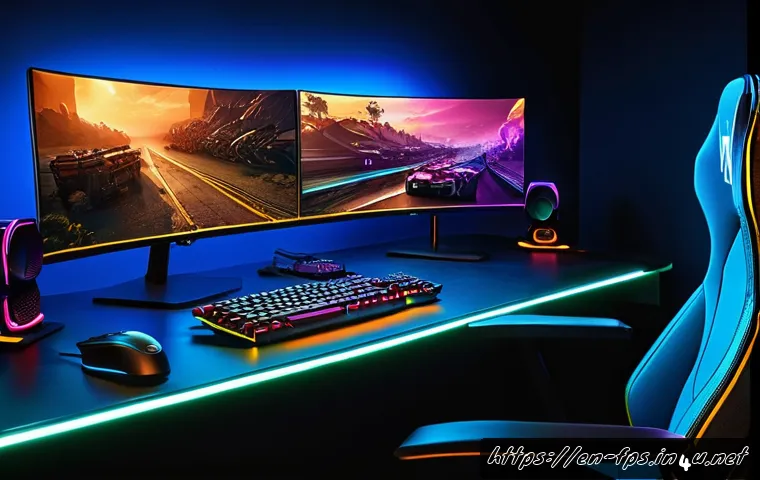
For example, a mouse with a reliable sensor and ergonomic design will outperform a flashy model with gimmicks. Similarly, a 144Hz monitor with adaptive sync often outperforms ultra-high refresh rate monitors that your GPU can’t fully utilize.
Keeping your budget balanced ensures you get the most bang for your buck.
Upgradability and Longevity
Look for gear that will last several years and allow easy upgrades. Swappable keycaps on keyboards or adjustable mouse weights can extend usability as your preferences evolve.
A monitor with multiple input options and a solid build will serve you well through future PC upgrades. I’ve held onto my favorite peripherals for years because of these features, saving money in the long run and maintaining consistent performance.
Quick Reference: Top Picks and Their Key Specs
| Peripheral | Model | Key Features | Price Range | Ideal For |
|---|---|---|---|---|
| Monitor | ASUS ROG Swift PG259QN | 360Hz, 24.5″, G-Sync, 1ms response | $700 – $800 | Competitive FPS players seeking ultra-smooth gameplay |
| Mouse | Logitech G Pro X Superlight | Optical sensor, 63g weight, wireless, 25K DPI | $150 – $170 | Precision aiming with lightweight comfort |
| Keyboard | SteelSeries Apex Pro | Mechanical switches, adjustable actuation, RGB | $180 – $200 | Customizable tactile feedback and durability |
| Monitor | LG 27GN950-B | 4K UHD, 144Hz, FreeSync, 1ms response | $800 – $900 | High resolution with competitive refresh rate balance |
| Mouse | Razer DeathAdder V2 | Optical sensor, ergonomic design, 20K DPI | $70 – $90 | Comfort and performance for palm grip users |
| Keyboard | Razer Huntsman Elite | Optical switches, RGB, wrist rest | $150 – $170 | Fast actuation with premium build |
Optimizing Your Settings for Peak Performance
Mouse Sensitivity: Finding Your Personal Sweet Spot
I’ve found that tweaking mouse sensitivity is more about personal preference than a one-size-fits-all number. Some pros swear by ultra-low DPI settings combined with large mousepad movements for accuracy, while others prefer faster sensitivity to cover more ground quickly.
The key is to experiment in practice modes or aim trainers until your flicks feel natural and precise. Don’t be afraid to make small incremental adjustments; over time, this fine-tuning can seriously boost your shot consistency.
Monitor Calibration for True Colors and Contrast
Many gamers overlook the importance of monitor calibration. Adjusting brightness, contrast, and color temperature can make enemy models stand out more clearly against backgrounds.
I spent time calibrating my display using built-in profiles and some third-party tools, which helped reduce eye strain and improve visual clarity during long sessions.
This extra effort ensures that you’re not missing subtle visual cues that could give away an opponent’s position.
Keyboard and Mouse Software: Custom Profiles and Macros
Most high-end peripherals come with companion software that lets you create profiles tailored to different games or scenarios. I use this feature to switch DPI settings on my mouse and remap keyboard keys depending on the game mode or map.
Setting up macros for routine actions can also shave precious seconds off your response time. Just be mindful to keep things fair and within the rules of your competitive platform.
Maintaining Your Gear for Consistent Wins
Cleaning and Upkeep Tips
I can’t stress enough how much a clean setup improves feel and performance. Dust and grime can cause keys to stick and mice to skip. Regularly wiping down your gear with appropriate cleaning solutions keeps everything smooth.
For mechanical keyboards, removing keycaps and cleaning underneath can prevent build-up that affects keypress quality. For mice, cleaning the sensor area and mouse feet ensures tracking remains flawless.
Replacing Parts Without Breaking the Bank
Sometimes, replacing worn-out parts like mouse feet or keyboard keycaps is all you need to extend the life of your gear. I’ve saved hundreds by swapping out mouse feet instead of buying new mice.
Many manufacturers sell replacement parts or third-party options that can refresh your peripherals at a fraction of the cost. This approach is perfect for gamers on a budget who still want top-tier performance.
Keeping Firmware and Software Updated
Peripheral manufacturers often release firmware updates that improve performance, fix bugs, or add new features. I make it a habit to check for updates monthly, as these can sometimes enhance sensor accuracy or add new customization options.
Similarly, keeping the companion software up to date ensures compatibility with your operating system and games. Staying on top of updates means your gear is always running at its best.
Wrapping Up
Choosing the right gear for FPS gaming isn’t just about flashy specs—it’s about finding the setup that truly enhances your performance and comfort. From monitors to mice and keyboards, each component plays a vital role in sharpening your reflexes and precision. Remember, investing wisely and tailoring your gear to your personal style can make all the difference in your gameplay experience.
Useful Tips to Keep in Mind
1. Prioritize a high refresh rate monitor to gain smoother visuals and faster reactions during intense matches.
2. Opt for a mouse with an optical sensor and ergonomic design to improve aiming accuracy and reduce fatigue over long sessions.
3. Mechanical keyboards with good key rollover and anti-ghosting features ensure every command registers without fail.
4. Balance your budget by investing more in critical peripherals like your monitor and mouse before splurging on extras.
5. Regular maintenance and firmware updates keep your gear performing at its best and extend its lifespan.
Key Takeaways for FPS Gear Selection
Choosing peripherals that align with your playstyle and budget is essential for consistent performance. High refresh rate monitors paired with responsive, comfortable mice and reliable mechanical keyboards create a competitive edge. Don’t overlook the importance of customization and upkeep, as these factors contribute significantly to your long-term success and enjoyment. Ultimately, smart investments and fine-tuning your setup will help you stay ahead in every game.
Frequently Asked Questions (FAQ) 📖
Q: What should I prioritize when choosing a monitor for competitive FPS gaming?
A: When selecting a monitor for FPS games, focus primarily on refresh rate and response time. A refresh rate of at least 144Hz is ideal because it provides smoother visuals, allowing you to react faster to in-game movements.
Additionally, a low response time (1ms to 2ms) helps reduce motion blur and ghosting, which can be crucial when tracking fast-moving targets. Personally, I noticed a significant improvement in my reaction speed after switching to a 240Hz monitor, especially in high-intensity matches.
Also, consider the panel type—TN panels usually offer the fastest response but less vibrant colors, while IPS panels provide better color accuracy but might have slightly higher response times.
Balancing these factors based on your preferences can make a real difference.
Q: How important is the mouse DPI and sensor type for FPS performance?
A: Mouse DPI and sensor quality are fundamental in achieving precision and consistency during gameplay. Higher DPI settings allow for faster cursor movement, but it’s not just about speed—it’s about control.
I recommend investing in a mouse with a high-quality optical sensor, as it tends to offer better tracking accuracy and less jitter compared to laser sensors.
For FPS games, many pro players stick to a DPI range between 400 and 1600, which helps maintain pinpoint accuracy without feeling too twitchy. From my own experience, using a mouse with adjustable DPI settings lets me fine-tune sensitivity depending on the map or weapon, which has definitely improved my shot consistency.
Q: Are mechanical keyboards worth it for FPS gamers, and which switch types do you recommend?
A: Absolutely, mechanical keyboards are a game-changer for FPS players. Their tactile feedback and faster response times help reduce input lag and enhance overall typing comfort during long gaming sessions.
Among the various switch types, I personally prefer Cherry MX Red or similar linear switches because they offer smooth keystrokes without the tactile bump, which lets me press keys rapidly without fatigue.
However, if you enjoy a bit of feedback to confirm each keypress, tactile switches like Cherry MX Brown can be a good middle ground. Ultimately, the choice depends on your typing style and how much noise you’re comfortable with, but investing in a solid mechanical keyboard will almost always boost your in-game performance and comfort.