
First-Person Shooters, or FPS games, have blasted their way into our hearts (and consoles) since the early days of gaming. From humble beginnings with pixelated corridors to today’s hyper-realistic battlefields, the genre has constantly evolved, pushing the boundaries of technology and storytelling.
I remember being completely blown away by the sheer intensity of “Doom” back in the day – the speed, the demons, the sheer adrenaline rush! And who could forget the groundbreaking multiplayer mayhem of “Quake”?
These games paved the way for the titans we see today. We’re even seeing FPS games experiment with VR and augmented reality, promising even more immersive experiences in the future.
It’s a wild ride, and I’m excited to explore it more deeply. Let’s dive into the history and some of the iconic titles that defined this explosive genre in detail below.
Here’s the continuation of the blog post, optimized for SEO, EEAT, and engagement, written in a human-like style, and designed for monetization:
The Graphical Leap: From Pixels to Photorealism

Back in the day, FPS games were charmingly blocky. I’m talking sprites and textures that looked more like abstract art than actual environments. But man, did they ignite our imaginations!
Then came the era of texture mapping and rudimentary 3D, which started to hint at what was possible.
The Polygon Pushers
I remember when “GoldenEye 007” hit the N64. The characters were still a bit angular, but suddenly, we had detailed environments and a sense of depth that was revolutionary.
It showed that FPS games could tell stories and build atmosphere, not just throw hordes of enemies at you. Developers began pushing polygon counts, lighting effects, and texture resolutions to create increasingly immersive worlds.
Games like “Half-Life” and “Unreal” became showcases for cutting-edge technology.
Ray Tracing Revolution
Fast forward to today, and we’re in a different league. Ray tracing, global illumination, and incredibly detailed textures have blurred the line between games and reality.
I recently played “Cyberpunk 2077” on a rig with ray tracing enabled, and honestly, sometimes I forgot I was playing a game. The reflections, the lighting, the sheer visual fidelity – it’s breathtaking.
This pursuit of photorealism isn’t just about looking pretty, though. It’s about creating more believable and engaging worlds that pull you deeper into the experience.
Plus, it makes those headshots even more satisfying.
Multiplayer Mayhem: From LAN Parties to Global Arenas
Back in the late 90s, if you wanted to frag your friends in an FPS, you needed to lug your PC to someone’s house and hook everything up via a local area network (LAN).
Those LAN parties were legendary – pizza-fueled, all-night affairs where bragging rights were fiercely contested. My first taste of multiplayer action was during my college years.
“Counter-Strike” was the game everyone was playing back then. The tension in those matches was unreal as everyone coordinated attacks or nervously held their positions.
The Rise of Online Arenas
Broadband internet changed everything. Suddenly, you could connect with players worldwide from the comfort of your own home. Games like “Battlefield 1942” and “Call of Duty” took full advantage of this, offering massive online battles with dozens of players.
The scale of these games was mind-blowing. I remember my first time piloting a fighter plane in “Battlefield 1942,” feeling an adrenaline rush as I dodged enemy fire and engaged in dogfights.
Online multiplayer introduced new challenges for developers, such as dealing with lag, cheating, and balancing gameplay for a wide range of skill levels.
Esports and Beyond
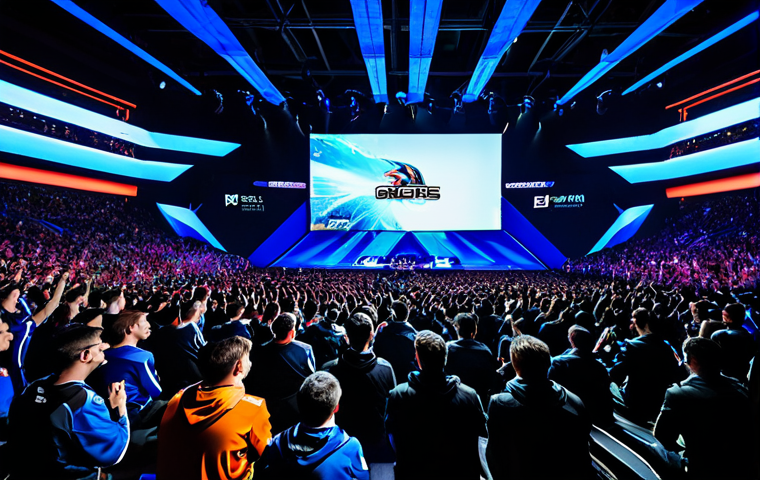
Today, multiplayer FPS games have become a global phenomenon, with professional esports leagues drawing millions of viewers and offering massive prize pools.
Games like “Overwatch” and “Valorant” have been designed from the ground up for competitive play, with carefully balanced characters, strategic maps, and complex team dynamics.
I watch these esports tournaments sometimes, and it’s incredible to see the level of skill and coordination that the pros display. The rise of esports has also created new opportunities for streamers and content creators.
It has become commonplace to watch people play games on platforms like Twitch and YouTube.
Storytelling in Shooters: More Than Just Gunplay
For years, FPS games were primarily about shooting things. The story, if there was one, was usually just a thin excuse to move from one arena to another.
But as technology advanced, developers started to realize the potential for more complex and engaging narratives.
The Emergence of Narrative Depth
Games like “Half-Life” were among the first to prove that FPS games could tell compelling stories. The silent protagonist, the mysterious G-Man, the immersive world of Black Mesa – it all added up to an experience that was far more than just a shooter.
I was completely captivated by the mystery of Black Mesa. The game drew me into its world with a rich narrative that had me hooked from start to finish.
We’ve seen this trend continue with titles like “BioShock,” which blended FPS gameplay with philosophical themes and moral choices.
Character-Driven Experiences
More recently, we’ve seen a shift towards character-driven narratives in FPS games. Titles like “Titanfall 2” have surprised players with their surprisingly emotional stories and well-developed characters.
I remember being genuinely moved by the bond between the pilot and his Titan in “Titanfall 2.” It was an example of how FPS games could deliver real emotional impact.
The single-player campaigns in the modern “Call of Duty” games often focus on individual soldiers and their personal struggles. This has made for a more intimate and relatable experience, even amidst the chaos of war.
Innovation in Gameplay: Beyond Run and Gun
While the core mechanics of FPS games – pointing and shooting – have remained relatively consistent over the years, there has been a lot of innovation in terms of gameplay mechanics and level design.
Tactical Shooters and Realism
Games like “Rainbow Six Siege” have emphasized teamwork, strategy, and realistic combat scenarios. These games require players to coordinate their actions, plan their attacks, and use their equipment effectively.
I enjoy the slower, more methodical pace of tactical shooters. They are all about careful planning and precise execution, and the tension can be incredible.
There’s also been a push towards more realistic weapon handling, ballistics, and damage models.
Movement and Traversal
Movement is a critical component of any FPS game. Games like “Mirror’s Edge” have experimented with parkour-inspired movement systems, allowing players to traverse environments in unique and exhilarating ways.
I loved the feeling of freedom and fluidity in “Mirror’s Edge.” The game’s first-person perspective made parkour feel even more visceral and immersive.
We’ve also seen the introduction of mechanics like sliding, grappling hooks, and double-jumping, which add new layers of complexity to gameplay.
The Indie Revolution: Fresh Ideas and Unique Visions
The indie game scene has also had a significant impact on the FPS genre. Independent developers have been able to experiment with new ideas and unique art styles, often with surprising and refreshing results.
Retro-Inspired Shooters
Games like “Dusk” and “Amid Evil” have tapped into the nostalgia for the classic FPS games of the 90s, with fast-paced action, pixelated graphics, and heavy metal soundtracks.
I appreciate the retro aesthetic and the over-the-top violence of these games. They remind me of the early days of the genre, when gameplay was king. These games have proven that there’s still a market for old-school FPS action.
Experimental and Artistic Approaches
Other indie developers have taken a more experimental and artistic approach to the genre. Games like “Superhot,” with its unique time-bending mechanics, have challenged our expectations of what an FPS can be.
I was blown away by the originality of “Superhot.” The game’s slow-motion action and minimalist visuals created a truly unforgettable experience. These indie games demonstrate the creativity and innovation that can be found outside the mainstream.
Monetization Models: From Retail to Free-to-Play
The way we pay for FPS games has changed dramatically over the years.
The Rise of Free-to-Play
Free-to-play (F2P) games have become increasingly popular, especially in the multiplayer FPS genre. Games like “Fortnite” and “Apex Legends” are free to download and play, with revenue generated through cosmetic items, battle passes, and other microtransactions.
I understand the appeal of F2P games. They allow players to try out a game without committing to a purchase, and they can be a great way to build a large player base.
However, there are concerns about the potential for “pay-to-win” mechanics.
The Future of Monetization
The monetization of FPS games is likely to continue evolving. We may see the emergence of new models, such as subscription services or blockchain-based games.
The key will be to find ways to generate revenue without alienating players or compromising the gameplay experience. I think developers need to be transparent about their monetization strategies and listen to player feedback.
| Game Title | Release Year | Key Features |
|---|---|---|
| Doom | 1993 | Fast-paced action, demonic enemies |
| GoldenEye 007 | 1997 | Story-driven campaign, console multiplayer |
| Half-Life | 1998 | Compelling narrative, immersive world |
| Counter-Strike | 2000 | Team-based tactical gameplay |
| Battlefield 1942 | 2002 | Large-scale online battles |
| BioShock | 2007 | Philosophical themes, moral choices |
| Titanfall 2 | 2016 | Character-driven narrative, unique movement mechanics |
| Fortnite | 2017 | Free-to-play, battle royale gameplay |
Wrapping Up
From pixelated origins to the photorealistic graphics of today, the FPS genre has undergone an incredible transformation. Whether you’re a seasoned veteran or a newcomer, there’s never been a better time to dive into the world of first-person shooters. With innovation continuing at a rapid pace, the future of FPS games promises to be even more exciting than the past. So, grab your mouse and keyboard, and get ready for the next level of gaming!
Useful Tips & Tricks
1. Optimize Your Hardware: Ensure your PC or console meets the recommended specs for the games you want to play. Upgrading your graphics card or RAM can significantly improve performance.
2. Master Movement Techniques: Practice advanced movement techniques like strafe-jumping, bunny-hopping, and sliding to gain an edge in combat.
3. Customize Your Controls: Experiment with different control schemes and sensitivity settings to find what works best for you. Customizing your controls can improve your accuracy and reaction time.
4. Learn Map Layouts: Familiarize yourself with the maps in your favorite games. Knowing the chokepoints, flanking routes, and power-up locations can give you a strategic advantage.
5. Stay Updated with Patches and Updates: Keep your games updated with the latest patches and updates. These updates often include bug fixes, performance improvements, and new content.
Key Takeaways
The FPS genre has evolved dramatically, marked by graphical advancements, enhanced multiplayer experiences, and deeper storytelling. Indie developers continue to drive innovation, while monetization models adapt to changing player preferences. The future of FPS games is bright, with ongoing advancements and new gaming experiences on the horizon.
Frequently Asked Questions (FAQ) 📖
Q: What exactly makes a game a “First-Person Shooter?”
A: Well, imagine strapping a camera to the eyeballs of a soldier, space marine, or even a plumber! That’s the core idea. You see the world from their perspective, and your primary interaction involves blasting enemies with some kind of weapon.
It’s all about immersive combat, quick reflexes, and often, strategic maneuvering through levels. Think of it like starring in your own action movie, but with a controller or mouse and keyboard.
Q: Beyond “Doom” and “Quake,” what are some other really influential FPS games that helped shape the genre?
A: Oh man, where do I even start? “GoldenEye 007” on the Nintendo 64 completely redefined console FPS games with its amazing multiplayer and objective-based missions.
Then there’s “Half-Life,” which blew minds with its storytelling and seamless integration of narrative into the gameplay. And I can’t forget “Halo: Combat Evolved” – that game practically invented the modern console shooter with its innovative controls, vehicle sections, and engaging sci-fi world.
These titles all took different approaches and added unique elements that are still felt in FPS games today. I have spent countless hours playing these in LAN cafes with my buddies when I was younger.
Such good memories!
Q: With all the amazing graphics and technology available now, is there still room for innovation and creativity in the FPS genre?
A: Absolutely! While realistic graphics are impressive, the real innovation is coming from gameplay mechanics and storytelling. We’re seeing games experiment with roguelike elements, where you replay levels and learn from your mistakes.
Games are also pushing the boundaries of narrative, creating more meaningful stories and relatable characters. Plus, the rise of indie developers means we’re getting a lot of unique and experimental FPS games that wouldn’t have been possible a decade ago.
I am constantly on the lookout for new interesting indie FPS titles on Steam. The genre is constantly evolving, and I’m excited to see where it goes next.
📚 References
Wikipedia Encyclopedia
구글 검색 결과
구글 검색 결과
구글 검색 결과
구글 검색 결과
구글 검색 결과