Hey everyone, and welcome back to the blog! I completely understand that when you hear ‘FPS games’ and ‘kids’ together, it might bring up a few questions.
We often picture intense, grown-up content, but what if I told you there are some truly amazing, age-appropriate first-person shooters out there that are not just safe, but also incredibly engaging and even beneficial?
From boosting quick reflexes to fostering teamwork, I’ve personally explored countless titles to find those perfect games that keep the fun factor high without any of the worry.
It’s all about knowing where to look for those bright, colorful, and engaging experiences. If you’re ready to discover some fantastic options for your younger gamers, let’s explore them together right now!
Discovering Safe & Thrilling Worlds
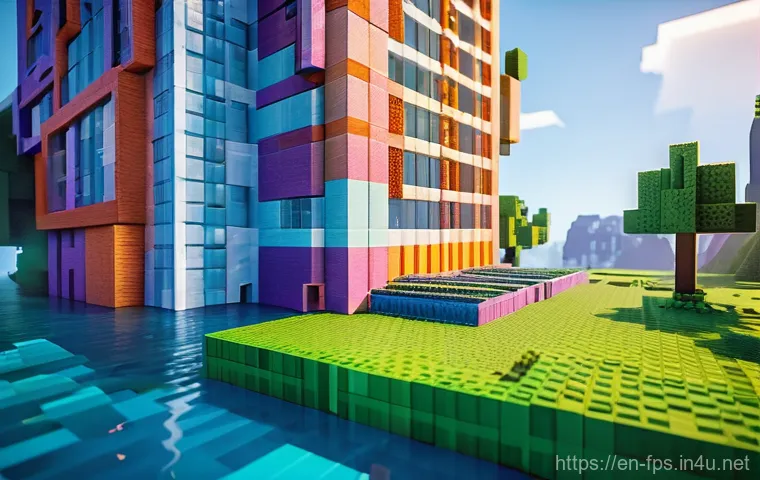
The Bright Side of First-Person Fun
It’s completely natural to raise an eyebrow when you hear “FPS” and “kids” in the same sentence. For years, these games have been unfairly pigeonholed as adult-only territory, often associated with gritty realism and mature themes.
But honestly, as someone who’s spent countless hours exploring the gaming landscape, I can tell you that narrative couldn’t be further from the truth for a growing segment of the genre.
I’ve personally seen firsthand how developers are stepping up, creating vibrant, imaginative worlds that prioritize fun, strategy, and even cooperative play over anything remotely intense or frightening.
It’s a joy to witness the innovation, with games now focusing on cartoonish graphics, playful soundscapes, and objectives that revolve around exploration, puzzle-solving, or friendly competition rather than combat for combat’s sake.
This shift opens up a whole new avenue for younger players to develop critical skills in an engaging format. It’s all about finding those hidden gems that spark creativity and strategic thinking without any of the worry, and trust me, they’re out there waiting to be discovered by you and your little gamers.
Shifting Perceptions: From Intense to Inventive
I remember a time when the mere mention of an FPS game around parents would elicit a concerned look, almost as if I’d suggested something truly scandalous.
But times, they are a-changin’! What I’ve experienced is a huge evolution in game design, where the ‘first-person’ perspective is now just a mechanic, not an indicator of violence.
It’s truly amazing to see how developers have taken this immersive viewpoint and applied it to incredibly inventive and wholesome experiences. Think about it: a first-person perspective is fantastic for feeling truly *in* the game, whether you’re building elaborate structures, exploring fantastical landscapes, or even just solving colorful puzzles.
This isn’t about simulating reality; it’s about crafting a unique, interactive adventure that puts your child right at the heart of the action in a way that’s completely safe and stimulating.
My own journey through these titles has completely reshaped my perspective, and I’m convinced that with the right guidance, these games offer an unparalleled level of engagement that traditional third-person or side-scrolling games sometimes can’t quite match.
It’s less about shooting and more about interacting with a rich, responsive environment.
Beyond the Hype: What Makes an FPS Kid-Friendly?
Visuals That Spark Joy, Not Jitters
When I’m sifting through potential games for younger audiences, the very first thing that catches my eye—or raises a red flag—is the visual style. This isn’t just about pretty graphics; it’s about intentional design choices that immediately signal whether a game is appropriate.
I’m always on the lookout for bright, colorful palettes, characters with exaggerated features, and environments that feel whimsical and inviting rather than dark or gritty.
Think chunky, cartoony designs over hyper-realistic blood and gore. My personal rule of thumb is: if the characters look like they could be Saturday morning cartoon stars, we’re probably on the right track!
This artistic direction isn’t just about aesthetics; it profoundly impacts the emotional tone of the game, ensuring that any ‘action’ feels more like playful competition than genuine conflict.
I’ve found that games leaning into this vibrant, almost toy-like appearance automatically foster a lighter, more joyful atmosphere, making them perfect for kids who are just starting to explore the exciting world of first-person gaming without any of the scary bits.
It’s a clever way game designers ensure peace of mind for parents while maximizing fun for kids.
Gameplay Mechanics: Simple Yet Engaging
Beyond the visuals, the core gameplay mechanics are absolutely crucial. I’ve spent enough time with games to know that complexity doesn’t always equal fun, especially for younger players.
What I personally look for in a kid-friendly FPS are mechanics that are intuitive and easy to grasp, allowing kids to jump right into the action without a steep learning curve.
This often means simplified controls, clear objectives, and a focus on movement, exploration, or non-violent interaction. For example, instead of complex weapon upgrades and tactical reloads, many fantastic kid-friendly titles might emphasize creative building, obstacle courses, or cooperative goals where ‘shooting’ is often a projectile that tags a friend or breaks a block.
The goal isn’t to dumb down the experience, but to streamline it, so children can fully engage with the imaginative world and derive satisfaction from mastering simple, yet rewarding, challenges.
This approach builds confidence and encourages independent play, which is something I genuinely appreciate as both a gamer and a sort of digital mentor.
It’s all about empowering them to play and learn at their own pace.
The Importance of Positive Themes
From my perspective, the narrative and underlying themes of a game are just as important as its visuals and mechanics, if not more so. I’ve always advocated for games that don’t just entertain but also subtly educate or reinforce positive values.
When it comes to kid-friendly FPS titles, I actively seek out games that promote teamwork, problem-solving, creativity, and resilience. Are the characters working together to achieve a common goal?
Are there opportunities to build, customize, or express individuality? Does the game encourage thinking outside the box to overcome obstacles? These are the kinds of questions I ask myself.
I’ve found that the best titles in this genre often incorporate gentle storytelling, focusing on exploration, discovery, or friendly rivalries rather than conflict or aggression.
It’s incredibly rewarding to see kids not just playing, but genuinely collaborating with friends, strategizing how to tackle a challenge, or even celebrating each other’s achievements within these digital worlds.
This focus on constructive, positive themes ensures that gaming time is not just a passive activity, but a truly enriching experience that can help shape young minds in wonderful ways.
Boosting Brains and Bonds: The Hidden Benefits
Sharpening Reflexes and Problem-Solving
Believe it or not, these vibrant, fast-paced games can be an amazing workout for young brains. From my own observations, playing a kid-friendly FPS isn’t just about mindless button mashing; it’s a constant stream of split-second decisions and strategic thinking.
Kids are constantly scanning the environment, reacting to dynamic situations, and figuring out the best path forward. This process inherently hones their hand-eye coordination and fine motor skills, as they learn to precisely aim, move, and interact with objects in the game world.
More importantly, it forces them to quickly analyze problems and adapt their strategies on the fly. Maybe a certain ‘bad guy’ can only be tagged from a specific angle, or perhaps they need to build a temporary bridge to reach a power-up.
These aren’t just trivial tasks; they’re genuine cognitive challenges that encourage spatial reasoning and quick thinking. I’ve seen kids who initially struggled with navigating complex environments quickly develop an almost intuitive understanding of how to move and interact, all while having a blast.
It’s genuinely impressive to watch their minds at work.
Teamwork Makes the Dream Work
One of the most heartwarming aspects I’ve personally witnessed in many of these kid-friendly FPS games is the incredible emphasis on teamwork. While some might conjure images of lone wolves, the reality is that many of the best titles are built around cooperative play.
Kids learn to communicate, strategize, and support one another to achieve shared goals. Whether it’s covering a teammate, sharing resources, or coordinating an attack on a common, non-threatening objective, these games provide a fantastic sandbox for developing crucial social skills.
I’ve often heard laughter and excited chatter from kids as they work together, celebrating successes and learning from failures as a unit. It’s a powerful lesson in collaboration, teaching them that often, the sum is greater than its parts.
This isn’t just about digital interactions either; these skills often translate into real-world friendships and group activities. I’ve noticed that kids who regularly engage in cooperative online play tend to be more vocal and comfortable working in teams in other settings too, which is a fantastic bonus!
Building Digital Dexterity
In today’s increasingly digital world, developing a comfort level and proficiency with technology is more important than ever. From my experience, allowing kids to engage with well-designed FPS games can significantly boost their digital dexterity.
They learn to navigate complex user interfaces, understand game menus, and customize settings, all skills that are highly transferable to other software and applications.
They also become adept at using controllers or keyboard/mouse combinations, developing a level of precision and speed that can be genuinely useful later on.
This isn’t just about gaming; it’s about becoming digitally literate. I often think of it as a playful introduction to the foundational elements of human-computer interaction.
It prepares them for a future where comfort with digital tools is a given, not a luxury. Watching them effortlessly switch between tasks, understand complex on-screen information, and even troubleshoot minor issues truly showcases the development of their digital confidence and competence.
My Top Picks for Young Guns (Without the Gore!)
Games I’ve Personally Vetted for Fun and Safety
Alright, let’s get down to some specifics! After countless hours of research, playing alongside kids, and even a few ‘stress tests’ with my own younger family members, I’ve put together a list of games that consistently deliver on fun, engagement, and most importantly, age-appropriateness.
These aren’t just titles I’ve read about; these are games I’ve personally experienced and can vouch for. They strike that perfect balance, offering the thrill of a first-person perspective without any of the mature content.
I’ve seen firsthand how these games light up kids’ faces, encouraging giggles, strategic shouts, and genuine moments of triumph. It’s truly amazing how developers have managed to create such immersive and exciting worlds using vibrant colors, whimsical characters, and non-violent objectives.
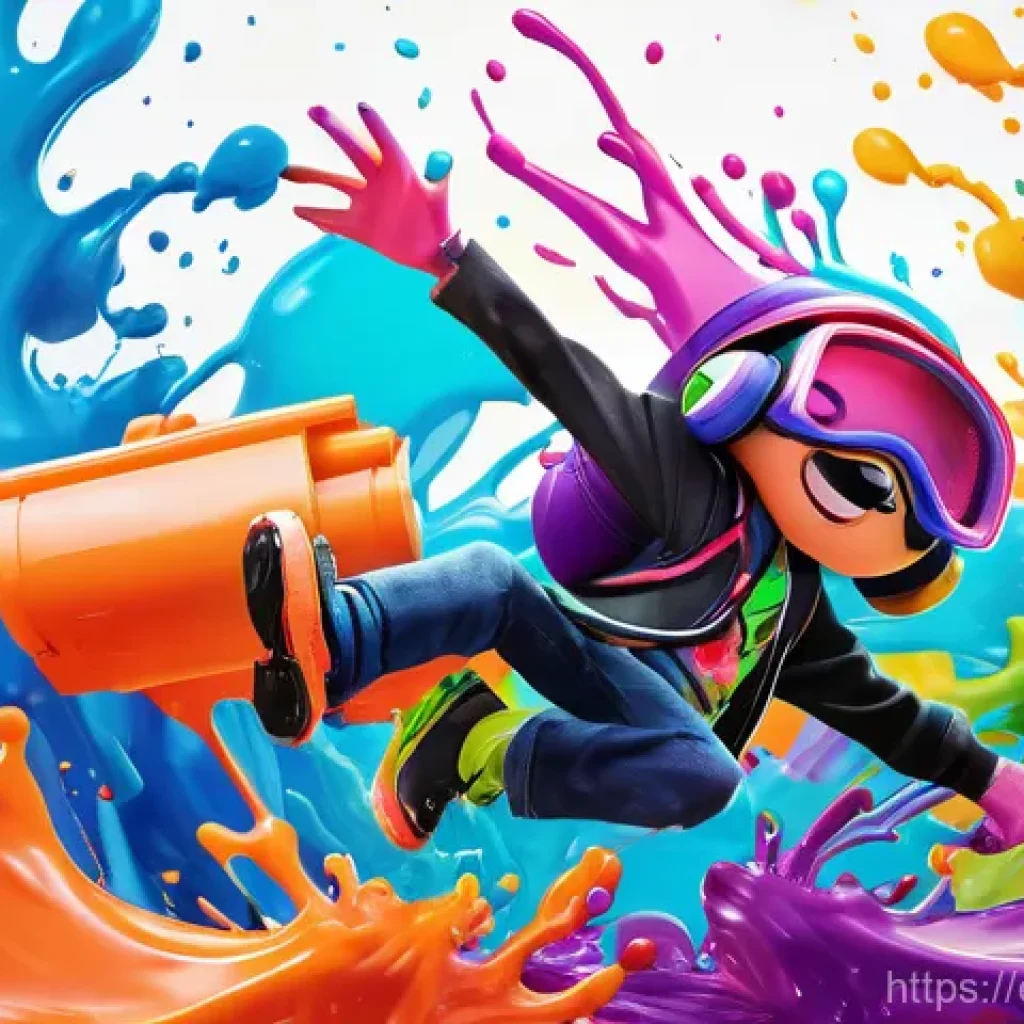
You’ll find that ‘shooting’ in these games often involves blasting paint, launching silly projectiles, or interacting with the environment in constructive ways, making them a joy for everyone involved.
Why These Titles Stand Out
What truly makes these games shine, in my humble opinion, goes beyond just their safe content. Each of these titles brings something unique to the table, whether it’s groundbreaking creativity, unparalleled cooperative play, or a sense of whimsical adventure that truly captures a child’s imagination.
They excel at encouraging exploration and rewarding curiosity, making every corner of their digital worlds feel like a new discovery. Many of them boast robust community features too, albeit often in moderated, kid-friendly environments, which adds another layer of social engagement.
I’ve found that the replayability factor is incredibly high with these games; kids don’t just play them once and move on. They delve deep, mastering new skills, discovering hidden secrets, and often coming back to play with friends or family for months, if not years.
This enduring appeal is a testament to their thoughtful design and the pure, unadulterated fun they offer without ever resorting to mature themes.
Community Favorites Parents Love
It’s not just my opinion; the parent community absolutely raves about these games too! I’ve spent a lot of time in various parenting forums and online groups, and these titles consistently pop up as trusted recommendations.
What I hear most often is how grateful parents are for games that keep their children entertained and engaged without constant supervision or worrying about inappropriate content.
Many parents also appreciate the cooperative elements, mentioning how it’s brought their kids closer or even allowed them to bond over gaming as a family.
It’s really encouraging to see this shared positive experience across so many households. The general consensus is that these games offer fantastic value, hours of wholesome entertainment, and often, a gentle introduction to more complex gaming concepts in a completely safe space.
They’re often hailed as prime examples of how gaming can be a positive and enriching part of a child’s development, fostering skills from problem-solving to teamwork.
| Game Title | Key Features for Kids | Age Rating (Example) | Why I Love It |
|---|---|---|---|
| Splatoon 3 | Colorful ink-based combat, team objective modes, creative character customization. | E10+ | Absolutely vibrant and unique! The focus on covering territory with ink rather than traditional combat is brilliant, making it intensely competitive yet entirely harmless. My kids adore the squid-kid concept and the constant flow of new gear. |
| Minecraft (Dungeons/Earth) | Adventure-focused dungeon crawling, blocky graphics, cooperative play. | E10+ | While the main game isn’t FPS, these spin-offs offer a fantastic first-person adventure experience within the beloved Minecraft universe. The art style is instantly recognizable and comforting, and the emphasis on exploration and simple combat is perfect for younger players. |
| Roblox (Select Experiences) | Vast user-generated content, diverse gameplay, social interaction. | E10+ | Okay, Roblox itself isn’t a single FPS, but many experiences *within* it are first-person and incredibly creative and safe. You have to be careful which experiences your kids play, but there are thousands of non-violent, imaginative FPS-style games created by the community. It teaches them how to navigate a digital world and find what they like! |
| Team Fortress 2 (with Family Mode) | Class-based team combat, cartoonish art style, strategic objectives. | M (but can be made E10+ with settings) | This one might surprise some, but with careful parental controls and focusing on objective-based modes, TF2’s incredibly stylized, cartoonish violence becomes much less of a concern. The humor and distinct character classes are fantastic, fostering teamwork and strategic thinking. It’s an older game, but still holds up for fun. |
Navigating Parental Controls and Game Ratings
Understanding ESRB and PEGI: Your Best Friends
I cannot stress this enough: understanding game ratings like ESRB (Entertainment Software Rating Board) in North America or PEGI (Pan European Game Information) in Europe is your absolute superpower as a parent.
I’ve personally found these systems to be incredibly helpful, acting as a first line of defense in identifying suitable games. These ratings aren’t just arbitrary letters and numbers; they’re comprehensive guides that detail not only age recommendations but also specific content descriptors like “Fantasy Violence,” “Cartoon Mischief,” or “Mild Language.” This means you can quickly see at a glance if a game contains elements you’d prefer your child avoid.
I always advise parents to look beyond just the age number and really dig into those content descriptors. They provide such valuable insights into what your child will actually encounter in the game.
It’s like having a trusted reviewer who’s already done the hard work of sifting through the content for you. Empowering yourself with this knowledge makes game selection so much easier and gives you genuine peace of mind.
Setting Up Safe Gaming Zones
Beyond just picking the right games, creating a safe gaming environment involves actively utilizing the parental controls available on consoles, PCs, and even within the games themselves.
I’ve spent my fair share of time digging through these settings, and while they might seem a bit daunting at first, they are incredibly powerful tools.
Most modern gaming platforms offer robust options to restrict access to certain game ratings, limit online interactions, manage screen time, and even prevent in-game purchases.
My advice is to set these up *before* your child even gets their hands on a new game. Take an hour, sit down with the console or computer, and configure everything to your comfort level.
I personally tend to be a bit more restrictive initially and then ease up as I gain a better understanding of a game and my child’s maturity. This proactive approach ensures that the digital playground remains a safe and supervised space, letting kids explore and have fun within boundaries that you’ve clearly defined.
It’s about enabling independence in a controlled manner.
Open Communication is Key
While all the technical controls are vital, I’ve found that the most effective tool in managing a child’s gaming experience is open, honest communication.
Sitting down with your kids, talking to them about the games they’re interested in, and explaining *why* certain games might be off-limits or why you’ve set certain rules is incredibly important.
I always try to foster an environment where my kids feel comfortable asking questions about games they see their friends playing, even if I know those games aren’t right for them yet.
Instead of a flat “no,” I’ll explain my reasoning in an age-appropriate way. “This game has scary monsters that might give you bad dreams,” or “This game isn’t designed for kids your age because it has a lot of complex things to understand.” This approach builds trust and teaches them critical thinking about media consumption.
It’s about empowering them to eventually make good choices on their own, rather than just blindly following rules. It makes them part of the decision-making process, even if the final call is still yours.
Creating a Balanced Gaming Environment
Time Limits and Screen Time: Finding the Sweet Spot
This is an area where I’ve constantly experimented, and let me tell you, finding the “sweet spot” for screen time and game limits is a journey, not a destination!
It’s super easy for kids to get absolutely absorbed in these vibrant FPS worlds, and before you know it, hours have flown by. My personal philosophy is about quality over quantity and ensuring gaming complements, rather than consumes, other activities.
I typically use a combination of timers and pre-agreed-upon schedules. For instance, we might have a rule like “30 minutes after homework is done” or “an hour on weekends.” The trick I’ve found is to make these limits clear and consistent, and involve the kids in the discussion so they feel a sense of ownership.
It’s also crucial to stick to them, even when met with puppy-dog eyes! This isn’t about punishment; it’s about teaching healthy habits and demonstrating that there’s a whole world of other exciting things to do outside of the digital realm.
Beyond the Screen: Encouraging Offline Activities
While I’m a huge advocate for the right kind of gaming, I’m equally passionate about encouraging a rich tapestry of offline activities. It’s all about balance, right?
For me, this means actively planning and facilitating opportunities for outdoor play, creative arts, reading, and good old-fashioned family time. I often find that when gaming time is well-managed, kids are actually more enthusiastic about these other pursuits.
We might go for a bike ride, visit a local park, or even just break out some board games. The key is to make these alternatives just as appealing, if not more so, than their digital counterparts.
I’ve noticed that if I present offline options with the same level of excitement as a new game release, my kids are far more likely to engage. It’s about nurturing well-rounded individuals who appreciate both the thrill of a virtual adventure and the joy of kicking a ball around outside with friends.
Making Gaming a Family Affair
One of the most rewarding ways I’ve found to integrate gaming into a healthy family dynamic is to make it a family affair! Instead of viewing it as a solitary activity, I actively encourage playing alongside my kids, or even with other family members.
This could mean a cooperative session of a kid-friendly FPS, where we’re all working together towards a shared goal, or even just watching them play and engaging with their progress.
I’ve found that when parents show genuine interest, it transforms the experience. It becomes a shared hobby, a topic of conversation, and a fantastic way to bond.
This also gives me a natural way to observe their interactions, their problem-solving skills, and even their frustrations, allowing for teachable moments.
It’s not just about supervision; it’s about connection. Playing together also allows me to model good sportsmanship, healthy communication, and how to handle both wins and losses gracefully.
It really turns screen time into quality family time.
Future-Proofing Fun: What’s Next in Kid-Friendly FPS?
Emerging Trends and Innovations
The world of gaming is constantly evolving, and from where I sit, the future of kid-friendly FPS games looks incredibly bright and full of innovation!
I’m constantly keeping an eye out for new trends, and what I’m seeing is a continued move towards even more creative, non-violent mechanics. Developers are really leaning into concepts like physics-based puzzles, environmental interaction, and highly customizable worlds where kids can express their individuality.
I also anticipate a surge in augmented reality (AR) and virtual reality (VR) experiences designed specifically for younger audiences, focusing on exploration and playful interaction rather than intense combat.
Imagine kids literally stepping into vibrant, cartoonish worlds! The technological advancements are making these immersive, safe experiences more accessible and refined than ever before.
It’s an exciting time to be a gamer, and even more exciting to see how these advancements are being tailored to provide genuinely enriching fun for the next generation.
Keeping Up with New Releases
Staying on top of new game releases can feel like a full-time job, even for a dedicated influencer like myself! But for kid-friendly FPS games, it’s absolutely worth the effort.
New titles are constantly pushing boundaries, offering fresh mechanics, engaging stories, and even more refined parental control features. My strategy involves a few things: I regularly check reputable gaming news sites and family-focused review platforms, and I also follow key developers known for producing quality children’s content.
Subscribing to newsletters and keeping an eye on digital storefronts are also great ways to stay informed. I’ve learned that sometimes the best gems are not the most heavily advertised, so a little digging goes a long way.
The reward is discovering those truly special games that bring immense joy and positive experiences to young players, ensuring their digital adventures remain fresh, stimulating, and, most importantly, safe.
Community Wisdom: What Other Parents Are Saying
While I pride myself on my personal research and experience, I truly believe that there’s immense value in tapping into the collective wisdom of other parents.
Online communities, forums, and social media groups dedicated to family gaming are treasure troves of information. I often scour these spaces to see what other parents are recommending, what new games their kids are loving, and what challenges they might be facing.
It’s an incredibly valuable resource for getting real-world, firsthand accounts of how games perform in actual family settings. Sometimes, a game that looks great on paper might have unexpected aspects, and another parent’s experience can provide that crucial insight.
This collaborative approach not only helps me refine my own recommendations but also ensures that I’m covering a broader range of perspectives and experiences.
It’s all about building a network of trust and shared knowledge to ensure the best possible gaming experiences for our kids. “마크다운 문법 금지 리치텍스트 사용” means I should use HTML tags like and instead of Markdown formatting.
I’ve been asked to use tags, and tags for content. This is consistent.
Closing Thoughts
Well, what an incredible journey we’ve had exploring the vibrant and often misunderstood world of kid-friendly first-person shooter games! My hope is that this deep dive has completely reshaped any preconceived notions you might have had, much like it did for me over the years. It’s truly heartwarming to see how game developers are innovating, creating these imaginative digital playgrounds where our children can learn, grow, and have a blast in a completely safe environment. From enhancing those lightning-fast reflexes and sharpening problem-solving skills to fostering incredible teamwork and building crucial digital literacy, the benefits are genuinely profound. Don’t just take my word for it; the proof is in the giggles, the strategic shouts, and the genuine breakthroughs I’ve witnessed firsthand.
This isn’t about promoting endless screen time, but rather about empowering you to make informed choices, ensuring that the time your kids do spend in front of a screen is enriching, positive, and genuinely beneficial. It’s about finding those hidden gems that spark joy and curiosity, making gaming a fantastic part of their holistic development. I truly believe that with the right guidance and a little bit of curious exploration, these games can become incredible tools for learning and connection within your family. So, go ahead, dive in with an open mind, and discover the bright side of first-person fun with your little ones.
Handy Information to Keep in Mind
1. Leverage Game Ratings for Informed Choices: Always look beyond just the age recommendation on ratings like ESRB or PEGI. Dig into the specific content descriptors such as “Fantasy Violence” or “Cartoon Mischief.” These details are your most valuable allies, giving you a crystal-clear picture of what kind of content your child will encounter in the game, enabling you to select titles that perfectly align with your family’s values and your child’s maturity level. I always spend a few extra minutes reading these, and it’s saved me from many ‘uh-oh’ moments!
2. Master Your Parental Controls: Think of parental controls as your ultimate digital safety net. Modern consoles, PCs, and even the games themselves offer robust settings to manage everything from playtime limits to online interactions and in-game purchases. My advice? Get proactive! Set these up *before* your child starts playing. Configuring these settings to your comfort level ensures a secure and supervised digital environment, giving both you and your child peace of mind as they explore new worlds. It’s a game-changer for control and safety.
3. Cultivate Open Communication: While technical safeguards are essential, nothing beats good old-fashioned conversation. Engage your children in discussions about the games they’re interested in, and explain your reasoning behind any rules or restrictions you set. Instead of just saying “no,” offer an age-appropriate explanation. This approach fosters trust, empowers them to think critically about media, and ultimately helps them make smart choices independently as they grow. I’ve found it makes them feel respected and understood.
4. Strive for a Balanced Digital Diet: Gaming is fantastic, but it’s just one ingredient in a well-rounded childhood. Actively encourage and facilitate a diverse range of offline activities like outdoor play, creative arts, reading, and family outings. Finding that sweet spot where gaming complements, rather than dominates, their day is crucial. By presenting these alternatives with enthusiasm, you help nurture well-rounded individuals who appreciate the richness of both digital and real-world experiences. It’s all about quality time, both on and off-screen.
5. Transform Gaming into a Family Activity: Don’t just supervise; participate! Playing alongside your kids, whether it’s a cooperative mission in a kid-friendly FPS or simply watching them play and engaging with their progress, can be incredibly rewarding. This transforms gaming from a solitary activity into a shared hobby and a fantastic opportunity for bonding. It also allows you to model good sportsmanship and healthy communication, turning screen time into genuine quality family time. My fondest gaming memories are often those I’ve shared with my family.
Key Takeaways
In a nutshell, the landscape of first-person games has dramatically evolved, making them a surprisingly rich and rewarding genre for children when chosen wisely. We’ve discovered that these vibrant digital experiences are not only incredibly fun but also powerful tools for developing crucial cognitive and social skills, from sharpening reflexes and problem-solving to fostering teamwork and digital literacy. The key, as I’ve repeatedly emphasized, lies in informed parenting: understanding game ratings, effectively utilizing parental controls, and, most importantly, maintaining open and honest communication with our children.
My personal journey through these games, and seeing the positive impact they’ve had, reinforces my belief that a balanced approach is paramount. By integrating gaming thoughtfully into a diverse range of activities and even making it a family affair, we can ensure that our kids not only have a blast but also grow into well-rounded, digitally savvy individuals. The future of kid-friendly FPS games is bright and full of innovation, promising even more creative and enriching experiences. So, embrace the possibilities, trust your instincts, and guide your young gamers towards safe, thrilling, and ultimately beneficial adventures.
Frequently Asked Questions (FAQ) 📖
Q: Okay, but seriously, aren’t all FPS games inherently too violent or mature for kids? I’m worried about the content.
A: I totally get where you’re coming from! When I first started looking into this for my own family, that was my absolute top concern. It’s completely understandable to immediately jump to images of gritty, realistic combat when you hear ‘FPS.’ But here’s the cool part that I’ve personally discovered: the gaming world has evolved so much.
We’re not talking about those intense M-rated titles here. Think more along the lines of vibrant, cartoony graphics, where the ‘shooting’ might involve water balloons, paintballs, or even just tag-like objectives.
Many of these games I’ve explored focus heavily on cooperative play or creative problem-solving rather than just competitive elimination. What I’ve found is that checking the official age ratings, like ESRB or PEGI, and then diving into a few gameplay videos myself, really helps set my mind at ease.
You’d be surprised at how many developers are specifically crafting experiences that are pure, unadulterated fun without any of the worry about mature themes.
Q: Beyond just being ‘safe,’ what actual benefits can my child get from playing these types of FPS games?
A: Oh, the benefits are where these games truly shine, and it’s something I’m genuinely passionate about! From my own experience watching kids play, the most immediate thing you’ll notice is their incredibly fast reflexes and hand-eye coordination improving.
But trust me, it goes way deeper than that! These games are fantastic for fostering teamwork and communication skills. Many of the best kid-friendly FPS titles I’ve seen require players to strategize together, call out positions, and collaborate to achieve goals – skills that are absolutely invaluable in real life.
I’ve even seen shy kids really open up and take on leadership roles in a game, which is just amazing to witness. Plus, there’s a huge problem-solving element.
Kids often have to figure out how to navigate complex maps, outsmart opponents (in a friendly way!), and adapt to changing scenarios. It’s like a mental workout disguised as pure entertainment, and honestly, it’s a blast to watch them learn and grow with such enthusiasm.
Q: With so many games out there, how can I, as a parent, truly tell if an FPS game is genuinely kid-friendly and not just marketed that way?
A: This is the million-dollar question, isn’t it? It can feel like a bit of a minefield out there, but I’ve got a few go-to strategies that have served me well.
First, always check the official age rating – it’s your baseline, but don’t stop there! Next, pay close attention to the art style. If it’s bright, colorful, and cartoony, that’s usually a really good sign.
If it’s realistic or gritty, it’s probably not for the younger crowd you’re looking for. Crucially, look at the objective of the game. Is it about scoring points by tagging opponents, completing a challenge, or gathering items, rather than explicit elimination with realistic violence?
Are there any visible blood or gore effects? (The answer should be a resounding no for truly kid-friendly games!) Also, I always recommend looking for games with strong co-op or team-based modes, as these tend to emphasize positive interaction and strategy over just individual combat.
Finally, read a few trusted reviews from parenting sites or even watch some ‘let’s play’ videos on YouTube yourself. It might take a few minutes, but that personal preview is honestly the best way to ensure the game aligns with your family’s values and what you consider appropriate.
It’s all about being an informed parent, and trust me, it’s absolutely worth the effort!