Hey there, fellow gamers! It’s your favorite English blog influencer here, ready to dive deep into a topic that I know hits home for so many of us who love the thrill of an FPS game.
We’ve all been there, right? That moment when you’re absolutely locked in, convinced you’re about to clutch the round, only for things to go sideways in a split second.
Maybe you misjudged an enemy peek, your aim felt a little off, or you found yourself reloading at the absolute worst possible time. I’ve personally felt that frustration, that sting of defeat, more times than I care to admit!
It’s easy to blame lag, hit registration, or even your teammates, but what if I told you that some of the biggest improvements come from fixing those subtle, often overlooked mistakes we all make?
In today’s fast-paced, competitive gaming landscape, where every millisecond and every decision counts, it’s more crucial than ever to sharpen our skills beyond just having the latest gear.
We’re talking about upgrading *you*, the player, to truly dominate. I’ve spent countless hours in the virtual trenches, observing, learning, and applying strategies that turn frustrating moments into triumphant plays.
Forget those generic tips you’ve seen a million times; we’re breaking down the real, game-changing habits you need to ditch, and the fresh tactics you absolutely must adopt to climb those leaderboards.
Ready to elevate your game and leave those embarrassing mistakes behind for good? Let’s get into the nitty-gritty and truly level up your FPS prowess, shall we?
Beyond Just Aim: The Mental Game Changer

Mastering Your Inner Critic
Okay, let’s be real for a sec. We’ve all been there, haven’t we? That moment when you miss an easy shot, or you get outplayed, and suddenly your brain starts throwing a tantrum. “You’re terrible!” it screams. “Why do you even play this game?” I’ve personally experienced this crippling self-doubt countless times, and it’s a surefire way to send your performance spiraling. What I’ve learned, after countless hours in competitive matches, is that the mental game is just as, if not more, important than your raw mechanical skill. Shaking off a bad round or a lost gunfight immediately is absolutely crucial. Dwelling on it means you’re not fully present for the next engagement, and that hesitation can cost you dearly. It’s about developing a sort of mental resilience, a thick skin that lets those minor setbacks roll right off. I used to get so tilted, and it would snowball into a terrible losing streak. Now, I take a deep breath, remind myself it’s just one moment, and refocus. Trust me, your K/D will thank you.
The Power of Pre-Aim and Crosshair Placement
If there’s one habit I hammered into myself that dramatically improved my consistency, it’s pre-aiming and disciplined crosshair placement. Forget just reacting; that’s for the birds. The pros aren’t just faster, they *expect* you to be there. I’ve spent hours in aim trainers and custom games, just practicing keeping my crosshair at head height, exactly where an enemy’s head would appear from around a corner or through a doorway. It sounds simple, but the difference it makes is monumental. Instead of having to flick your mouse wildly, you’re making tiny, precise adjustments. This isn’t just about getting headshots; it’s about minimizing the distance your mouse has to travel to land that crucial first shot. Think of it as setting yourself up for success before the fight even begins. I even find myself doing it subconsciously in other games now, which just goes to show how ingrained it becomes. It feels like you’re anticipating the future, and honestly, it’s an incredibly satisfying feeling when it clicks.
Your Loadout Isn’t Just for Show: Strategic Gear Selection
Optimizing for the Map and Your Role
Ever feel like you’re constantly fighting an uphill battle, even when your aim is on point? Chances are, your loadout might be working against you. I’ve been guilty of just slapping on my “favorite” gun and hoping for the best, but that’s a rookie mistake. In my experience, a truly effective player adapts their gear to the specific map and their team’s strategy. Are you pushing tight corridors? A high fire-rate SMG or a shotgun might be your best friend. Holding long sightlines? A scoped rifle is indispensable. And don’t even get me started on character abilities or gadgets in hero shooters – they’re not just flashy animations; they’re tactical tools. I remember one match on a very open map where I stubbornly stuck with my close-quarters weapon. I was constantly at a disadvantage, getting picked off from afar. Swapping to a more appropriate rifle mid-game completely turned my performance around. It’s about being smart, not just strong. Take a moment before the round starts to consider the flow of the map and what your team needs you to do, then choose your weapons wisely. Your K/D will thank you.
Utility Usage: More Than Just Grenades
This is where a lot of players leave easy wins on the table, myself included, especially early in my gaming journey. When I first started, my grenades were mostly “panic throws” or just hurled randomly down a corridor. Big mistake! Utility, whether it’s smoke grenades, flashbangs, molotovs, or even character-specific abilities, are your force multipliers. They can deny areas, flush out enemies, provide cover for pushes, or create escape routes. I’ve seen entire rounds swing because a well-placed smoke cut off an enemy sniper, or a perfectly timed flash allowed a teammate to push a difficult angle. Think of them as extensions of your strategy, not just extra damage. I’ve actively practiced throwing smokes to block specific sightlines and flashes to clear common angles. It’s not about throwing them as soon as you get them; it’s about *when* and *where*. Learning common grenade lineups for different maps can give you a massive advantage. Don’t underestimate the power of knowing how to properly use your secondary tools; they can often be more impactful than a headshot.
Map Mastery: Understanding the Battlefield
Predicting Enemy Movements and Flanks
There’s a huge difference between just knowing the map layouts and truly *understanding* them. I remember when I first started playing competitive FPS games, I knew where all the hallways and rooms were, but I couldn’t predict where enemies would come from to save my life. Now, after thousands of hours, it’s almost like I can see the game through the opponent’s eyes. It’s about identifying common choke points, popular push routes, and those sneaky flank routes that can catch you off guard. I’ve found that paying attention to how other teams play, and even how *my* team plays, can give huge insights. If everyone on your team is pushing one side, where’s the enemy likely to try and flank? If they just took out your point man, where will they rotate to next? This isn’t just guesswork; it’s pattern recognition. I’ve started consciously thinking, “If I were the enemy, what would I do now?” This mental exercise has helped me anticipate pushes and hold better angles, leading to countless clutch plays I never would have managed before. It’s like playing chess, but with bullets!
Controlling Key Areas and Power Positions
Every map has those special spots, those “power positions” that give you a significant advantage. Whether it’s a high ground overlooking a main path, a tight corner that’s difficult to peek, or a position with good cover and multiple escape routes, identifying and controlling these areas is paramount. I’ve often seen newer players just run around aimlessly, engaging in fights on unfavorable terms. In contrast, experienced players gravitate towards these power positions like magnets. I’ve learned to prioritize securing these spots early in a round, and more importantly, holding onto them. It’s not always about getting kills from these spots, sometimes it’s about denying the enemy access or using them to gather crucial information. For instance, holding a specific angle might not yield many kills, but it could force the enemy to take a different, less optimal route, setting up your teammates for easier engagements. It’s a fundamental part of map control, and once you start actively thinking about it, you’ll see your game elevate. Don’t just hold an angle; hold a *strategic* angle.
Communication is King: The Power of Teamwork
Clear, Concise, and Timely Callouts
Oh, the agony of vague callouts! “He’s over there!” or “Behind the box!” — I’ve heard them all, and I’ve probably been guilty of them myself early on. But here’s the kicker: in a fast-paced FPS, every second counts. A clear, concise, and timely callout can literally win you a round, or even the game. I’ve made a conscious effort to improve my communication, using specific map names (like “Window,” “Catwalk,” “A Short”), enemy health status, and utility usage. Instead of “He’s over there,” I’d now say, “One enemy, 50 HP, pushing from Catwalk to A site.” That information is gold! My teammates know exactly where to look, who to target, and how much damage they need to deal. It takes practice, and sometimes you’ll fumble your words, but the payoff is immense. I’ve found that a team with superior communication, even if slightly less skilled individually, can often overcome a team of lone wolves. It transforms five individuals into a cohesive fighting unit, and that synergy is incredibly powerful.
Synergy: Playing Off Your Teammates
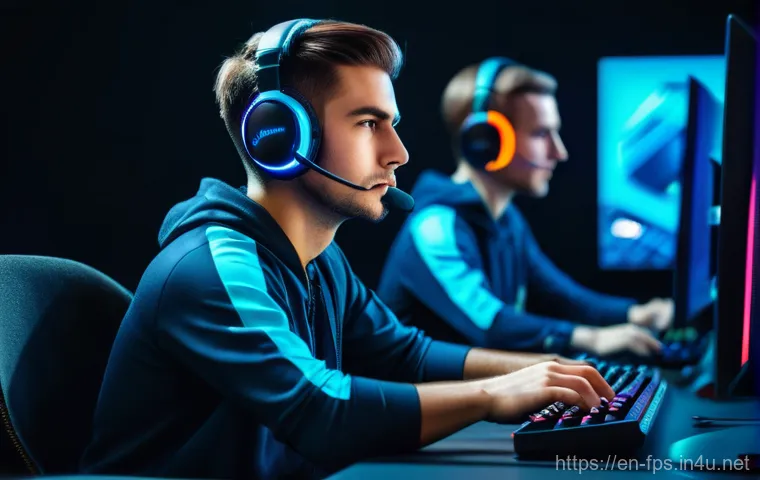
This goes beyond just callouts; it’s about understanding and anticipating your teammates’ actions, and them doing the same for you. I used to focus solely on my own play, trying to be the hero, but I quickly learned that true competitive success comes from playing *with* your team, not just *alongside* them. This means things like trading kills – if a teammate goes down pushing an angle, you should be right there to re-frag their killer. It means baiting for each other, setting up crossfires, and coordinating utility usage. I’ve had incredible moments where a teammate’s flash perfectly set up my push, or my smoke allowed them to defuse safely. It’s a dance, really, and it takes practice to get the rhythm right. Don’t be afraid to experiment with different pushes and defensive holds with your teammates. The more you play together, the more you’ll develop that intuitive understanding of how each person plays. It makes the game so much more enjoyable, and infinitely more effective.
Don’t Just Shoot: Mastering Movement and Positioning
Angles Matter: Holding and Pushing Effectively
Movement isn’t just about getting from point A to point B; it’s an offensive and defensive weapon in itself. This is something I learned the hard way after getting repeatedly deleted by players who seemed to have a magical ability to always peek perfectly. What I realized is that they weren’t magical, they were just *smarter* about their angles. When you’re holding an angle, you want to minimize the amount of your body that’s exposed while maximizing your line of sight. When you’re pushing, you want to use quick peeks, shoulder peeks, and jiggle peeks to gather information without committing fully. I’ve spent hours in custom games just practicing different peeking techniques, and it’s insane how much of a difference it makes. It’s about making yourself a harder target and forcing the enemy to expose themselves more. Think of it like a game of inches, where every tiny movement can decide the outcome of a gunfight. Never stand in the open for too long, always be thinking about your next cover, and use your momentum to your advantage.
The Art of Retreat: Knowing When to Fall Back
This might sound counterintuitive in a game where aggression often pays off, but knowing when to retreat is a hallmark of an intelligent player. I used to be so stubborn, trying to win every single gunfight, even when I was at a clear disadvantage. The result? I’d just feed the enemy team kills and give away map control. I’ve learned that sometimes, the best play is to disengage, reposition, and re-engage on more favorable terms. If you’re low on health, outnumbered, or caught in the open, backing off to find cover, heal up, or regroup with teammates is often the smartest move. It preserves your life, denies the enemy an easy kill, and allows you to live to fight another day. It takes discipline to hit that retreat button, especially when your ego is screaming to stay and fight. But trust me, making the tactical decision to fall back and reset can often lead to a successful re-push or a clutch hold later in the round. It’s not about being cowardly; it’s about being strategic. Remember, sometimes the best offense is a good defense.
| Common Movement Mistake | Pro Tip / How to Fix It | Why It Matters |
|---|---|---|
| Standing still while shooting | Incorporate strafing (A-D movement) to become a harder target. | Makes you predictable and an easy headshot. |
| Wide peeking corners | Use subtle jiggle or shoulder peeks to gather info, then re-peek tight. | Exposes your entire body to the enemy, giving them an easy shot. |
| Running into open areas without cover | Always move from cover to cover; pre-aim common angles as you move. | You’re a sitting duck for snipers or pre-aiming enemies. |
| Not using terrain for advantage | Utilize high ground, natural cover, and destructible environments. | Allows enemies to gain easy kills or advantageous positions on you. |
| Predictable movement patterns | Vary your peeks, pushes, and retreats. Don’t always go the same way. | Experienced enemies will learn your habits and pre-fire you. |
Reloading Right: When and Where to Replenish
The Danger Zone: Avoiding Mid-Fight Reloads
How many times have you been in a heated gunfight, maybe even gotten one or two kills, only to frantically hit that reload button and get instantly dropped by a third enemy? I’ve lost count! It’s an instinctive reaction, but it’s often the death of you. The sound of a reload is a huge tell, and the animation leaves you completely vulnerable. I’ve personally trained myself to break this habit by forcing myself to swap to my pistol in close-quarters fights if my primary mag is low, rather than reloading. It’s usually faster and gives you a fighting chance. The key here is situational awareness: are you absolutely safe? Is there immediate danger? If there’s even a slight chance an enemy could push you, think twice about reloading. It’s better to have a partially loaded magazine and be able to shoot back than to be caught with your pants down, so to speak. This tactical awareness around your ammo count can genuinely be a game-changer, especially in clutch scenarios.
Tactical Reloads: Making Every Second Count
So, if mid-fight reloads are a no-go, when *should* you reload? This is where the “tactical reload” comes in. After a successful engagement, or when you’ve secured a temporary safe spot, that’s your window. The moment you’re out of immediate danger, but before you push the next angle or move into an exposed area, top off that magazine. I’ve found that constantly checking my ammo count and looking for those tiny windows of opportunity to reload keeps me ready for the next fight. Don’t wait until you have 1 bullet left! Proactive reloading means you’re always ready to engage with a full magazine. It becomes second nature after a while, like checking your mirrors while driving. It’s a small habit, but the cumulative effect over an entire match is massive. It reduces those frustrating moments of being caught empty-handed and keeps you in the fight. Always be thinking a few steps ahead, even with something as simple as managing your ammo.
Wrapping Things Up
Whew! We’ve covered a lot today, haven’t we? From calming that inner voice that loves to scream “you’re terrible” to mastering the art of a tactical reload, it’s clear that competitive gaming is so much more than just pointing and clicking. I genuinely hope that sharing some of my own struggles and breakthroughs has given you a fresh perspective and some tangible ways to level up your own game. Remember, improvement isn’t always about hitting the craziest clips; it’s about consistently making smarter decisions, both mentally and strategically. It’s a journey, not a destination, and every little tweak makes a huge difference in the long run. Keep practicing, stay positive, and you’ll definitely see those wins start rolling in. Good luck out there!
Good to Know Info
Here are a few quick tips and insights that I’ve picked up along the way that can help you on your competitive journey:
1. Review Your Own Gameplay: Seriously, watch your replays. It’s painful sometimes, but objectively seeing your mistakes and smart plays is invaluable for learning. You’ll catch things you never noticed in the heat of the moment.
2. Optimize Your Setup: Small adjustments to your mouse sensitivity, keybinds, and even monitor settings can give you an edge. Don’t just copy pros; find what feels natural and responsive for *you*. Checking your PC’s FPS and making sure it’s optimized is also crucial.
3. Cross-Training Helps: Playing different FPS games can actually improve your overall mechanics and adaptability. Each game might highlight a different skill you need to hone.
4. Warm-Up Routines are Essential: Just like a traditional athlete, a quick aim-trainer session or a few casual matches before diving into ranked can significantly improve your first few rounds. It gets your reflexes and mind warmed up.
5. Stay Hydrated and Take Breaks: This might sound obvious, but fatigue absolutely impacts your focus and reaction time. A quick walk away from the screen can reset your mind and body, leading to better performance in the long run.
Key Takeaways
After diving deep into what it truly takes to excel in competitive FPS games, there are a few core principles that I believe stand above the rest. First and foremost, the mental game is a colossal factor. Being able to shake off a bad play, control your emotions, and maintain a positive, focused mindset, even when things are going sideways, is what separates consistently strong players from those who tilt easily. I’ve personally seen how a calm head can turn seemingly unwinnable rounds into clutch victories.
Beyond the mental fortitude, strategic awareness is non-negotiable. This means understanding that your loadout isn’t just a personal preference; it’s a tactical choice influenced by the map and your team’s needs. Furthermore, mastering utility usage – thinking beyond just “throwing a grenade” to strategically denying space or flushing out enemies – is a skill that directly translates to more round wins. I cannot stress enough how much a well-timed smoke or flash can impact the flow of a game.
Finally, and perhaps most importantly, communication and teamwork are the glue that holds everything together. No matter how individually skilled you are, a team that communicates clearly, concisely, and acts in synergy will almost always outperform a group of uncoordinated individuals. It’s about more than just calling out enemy positions; it’s about anticipating your teammates’ moves, setting them up for success, and supporting each other through every engagement. Embrace these principles, and you’re not just playing smarter; you’re playing like a true competitor.
Frequently Asked Questions (FAQ) 📖
Q: I feel like I’m stuck in a rut with my aim, even though I practice regularly. What’s the real secret to consistently hitting those headshots, beyond just endless deathmatching?
A: Oh, believe me, I’ve been right there with you, staring at a target dummy, wondering why my muscle memory wasn’t translating into game-winning flicks.
It’s frustrating, right? The truth is, “practice” can be a bit of a vague term, and often, we’re practicing the wrong things or in the wrong ways. For me, a game-changer was shifting my focus from just moving my mouse to understanding my crosshair placement.
Seriously, before I even engage, I’m mentally placing my crosshair where an enemy’s head will be. Think about it: if you pre-aim corners at head height, you’ve already cut down your reaction time significantly.
Another thing I learned the hard way is that pure mechanical aim isn’t everything. It’s about combining that raw skill with movement. Are you counter-strafing effectively?
Are you jiggle-peeking to gather info without committing? I noticed a massive improvement in my own gameplay when I started integrating these movement techniques into my aim practice.
It’s not just about hitting the shot, it’s about creating the opportunity for the easiest shot possible. And honestly, don’t just warm up on static targets.
Spend time in aim trainers doing scenarios that mimic actual in-game situations, like tracking moving targets or flicking between multiple enemies. The biggest “secret” isn’t a secret at all: it’s smart, deliberate practice that mimics real game scenarios, not just repetitive motion.
My personal experience showed me that my consistency soared once I embraced this holistic approach.
Q: I constantly find myself getting ambushed or making pushes that just fall apart, costing my team the round. How can I improve my decision-making and avoid these costly mistakes?
A: This is a classic, and honestly, it’s where many players, myself included, hit a wall. It’s so easy to get tunnel vision in the heat of the moment, isn’t it?
For me, the biggest lesson I ever learned was that good decision-making often comes down to one thing: information. You can’t make smart pushes if you don’t know where the enemies are, or if you’re outnumbered.
I used to just charge in, hoping for the best, and boy, did that backfire more often than not! What really clicked for me was consciously slowing down my approach.
Instead of instantly peeking a dangerous angle, I started asking myself, “What information do I have? Where were they last seen? Who on my team can support me?” Sometimes, the best “push” is actually a tactical retreat or holding an unexpected angle.
I found that effective communication with my team was absolutely paramount here too. A simple “I’m pushing B, need a flash!” can turn a suicidal solo attempt into a coordinated entry.
And don’t underestimate the power of sound cues! My personal setup includes a high-quality headset, and it’s insane how many ambushes I’ve avoided simply by hearing footsteps or a reload that others might miss.
It’s not about being a psychic; it’s about actively gathering intel through your senses and your teammates, and then making a calculated move, not a desperate one.
Trust me, once you start thinking about the “why” behind your pushes and peeks, not just the “how,” your game will transform.
Q: I often get really frustrated when I’m losing or making mistakes, and it affects my performance even more.
A: ny tips on keeping a cool head and preventing “tilt” from ruining my game? A3: Oh, the dreaded tilt monster! I know this beast all too well.
There have been countless times I’ve felt that anger bubbling up after a bad play or a string of losses, and it’s like a poison that just seeps into every aspect of your game.
Your aim goes wild, your decision-making becomes reckless, and suddenly, you’re just a shadow of your best self. What I’ve personally found to be incredibly effective is realizing that frustration is a natural human emotion, but it doesn’t have to control your game.
First off, I learned to identify my personal “tilt triggers.” Is it getting spawn-camped? Losing a 1v1 I should have won? When I feel that familiar knot in my stomach, I take a literal deep breath – seriously, like a full 5-second inhale, 5-second hold, 5-second exhale.
It sounds simple, but it helps reset your focus. Another game-changer for me was shifting my mindset from “I need to win this round/game” to “I need to learn from this round/game.” Instead of dwelling on the mistake, I quickly analyze what went wrong, make a mental note, and then consciously force myself to move on to the next play.
Sometimes, a quick 30-second break, even if it’s just looking away from the screen or grabbing a sip of water, can work wonders. And if I’m really getting hammered, I’ve learned that walking away for 5-10 minutes entirely, grabbing a snack, or even just stretching, helps immensely.
Your brain needs a reset! Remember, everyone makes mistakes, even the pros. It’s how you recover from them, both mentally and strategically, that truly defines a great player.
Don’t let a bad moment define your entire gaming session!